Jojo Rabbit
seen @ Kew Gardens Cinemas, Kew Gardens, Queens, NY
Last month I had said I didn’t find
Knives Out as funny as other people did and I questioned
whether seeing it with an audience made a difference or not. Now I’ve seen another comedy film,
Jojo Rabbit, a movie I found hilarious, as did the audience I saw it with—one woman behind me was laughing her head off for most of the movie—and irony of ironies, the first time I looked it up online after seeing it, I encountered
all these reviews saying how unfunny it is. (Its overall Rotten Tomatoes score, however, is a “certified fresh” 80, which is very positive.)
Granted, director Taika Waititi, who also adapted the screenplay from the book
Caging Skies, walks a tightrope, attempting to find humor in a story taking place in Nazi Germany with Adolf Hitler (sort of) as a supporting character. I was reminded of the 2018 Cold War comedy
The Death of Stalin, which also balanced humor with the realities of life within a fascist regime—and, of course, older comedies like
Life is Beautiful, The Producers, To Be or Not To Be and
The Great Dictator.
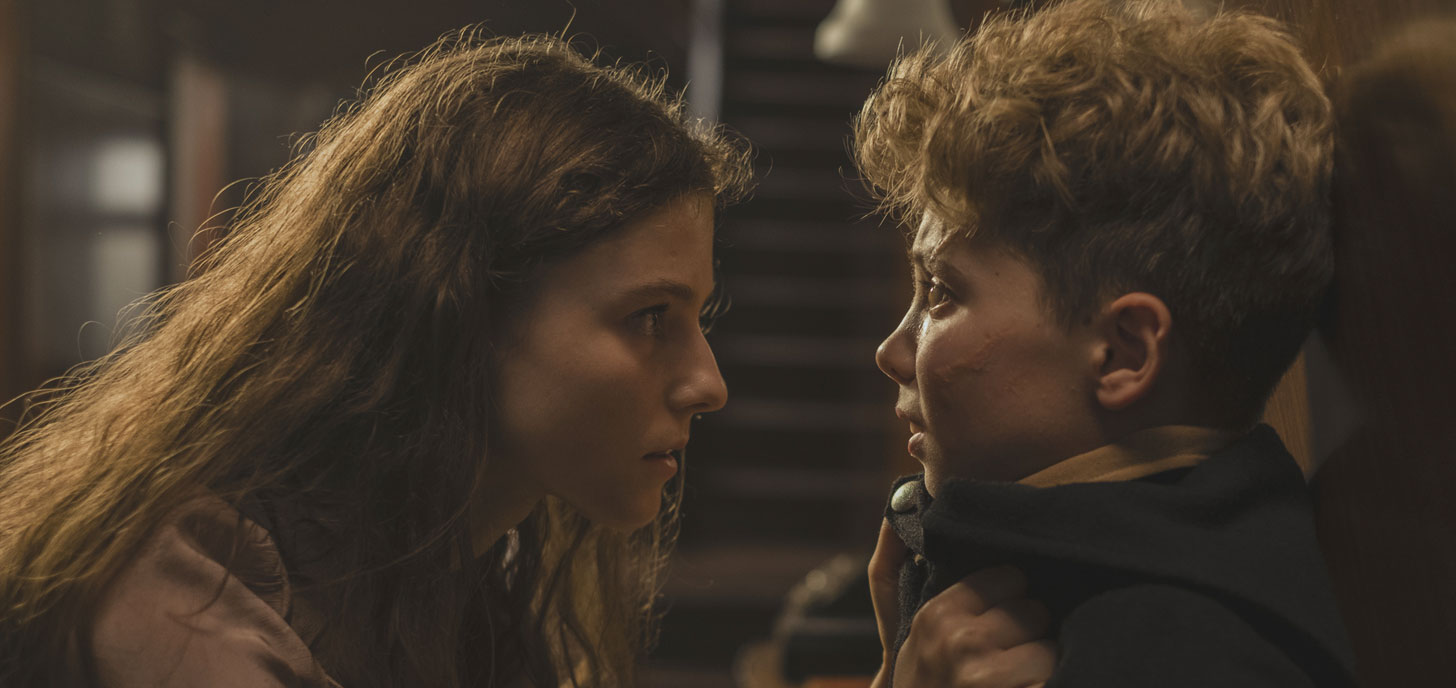
Jojo deals with a young Hitler Youth recruit, one so devoted to the Nazi cause he imagines Hitler himself as his best friend, and what happens when he learns his mother is secretly hiding a Jew in their house. Why is the movie funny? For one thing, the dialogue feels almost contemporary, which is incongruous with the time and place. The Nazi characters are depicted broadly; the situations they’re put in ridiculous. Hitler especially, played by director Waititi, is practically a cartoon—and yet there are moments that remind you these are Nazis and if you’re a dissenter, or a Jew, you trifle with them at your risk. And there’s an overall message of tolerance that’s heartfelt and welcome, particularly in this time where anti-Semitism is making a comeback.

The child actor, Roman Griffin Davis, carries the bulk of the movie. He gives Jojo a naive fanaticism that almost makes him endearing. Jojo doesn’t quite measure up to his peers, most of whom bully him, but he’ll do anything to be a true soldier like his absent father, off fighting in the war. His idealized version of Hitler acts as a kind of surrogate father, but none of this is as frightening as it sounds because of the goofy tone of the movie.
And then Jojo discovers the teenage Jewish girl and things change for him; that which he’s believed in all his life about German superiority is called into question. It was good to see Thomasin McKenzie from
Leave No Trace again; she plays the Jewish girl and I think she’s even better here.
Jojo is pretty different from
Knives; both are satirical, but to different degrees, and
Jojo, by nature of its subject matter, is more risqué and “out there.” Did that make it easier to laugh at? Could be.
Knives was an ensemble; we saw the story through different perspectives, some of which were funnier than others and all of whom were adults.
Jojo is told from the angle of a ten-year-old with a very specific worldview, one we wouldn’t normally laugh at, but here it’s purposely exaggerated to a bizarre extent.
Laughing helped us, the audience, approach the premise more easily, whereas with
Knives, there was no trepidation of the premise to overcome. It was easier to accept at face value, and while it was entertaining, I don’t think I felt the
need to laugh as much as I did with
Jojo. From the first scene and the opening credits—yes, this was a rare film with opening credits, set to the tune of the Beatles’ “I Wanna Hold Your Hand” in German—it gave us permission to laugh at it... and we did.
Knives wasn’t quite like that, at least not for me, but that’s okay.